The Menton lemon (IGP): history, season, varieties
Bright yellow, fragrant and free of bitterness, the golden fruit has made Menton’s fortune for five centuries. Protected since 2015 by a European Protected Geographical Indication, it grows in just five towns, between the sea and the mountains.
Menton · Côte d'Azur
93ème Fête du Citron®
The Menton lemon (IGP): history, season, varieties
Bright yellow, fragrant and free of bitterness, the golden fruit has made Menton’s fortune for five centuries. Protected since 2015 by a European Protected Geographical Indication, it grows in just five towns, between the sea and the mountains.
1471first written record of lemon trees in Menton
2015European Protected Geographical Indication
5towns, 5 varieties
390 mmaximum altitude, within 7 km of the sea
A charming legend surrounds the origins of the town and its emblem, the lemon: Eve, banished from the Garden of Eden with Adam, took a golden fruit with her. Adam, fearing divine wrath, asked her to throw it away. After crossing mountains, valleys and plains, they caught sight of the bay of Garavan. The gulf, the gentle climate, the lush vegetation… everything reminded Eve of the sweetness of Eden. There she buried the lemon. On that spot a little paradise was born: Menton.
The Menton lemon is a Protected Geographical Indication (PGI), registered under its French name, « Citron de Menton ». France approved its specification by decree on 2 December 2014, and the European Union registered it on 21 September 2015 (Implementing Regulation 2015/1756, published on 2 October 2015). Since then, the name has been protected throughout Europe: only fruit that meets the specification may bear it.
The PGI is managed by the Association for the Promotion of the Menton Lemon (APCM), founded in 2004 at the initiative of the Riviera Française urban community. Compliance is checked by an independent certification body, CERTIPAQ, under the authority of INAO, the French institute for origin and quality. An update to the specification was approved by INAO in April 2026.
Only lemons grown and harvested in five towns of the Alpes-Maritimes may bear the name:
Menton
Roquebrune-Cap-Martin
Gorbio
Sainte-Agnès
Castellar
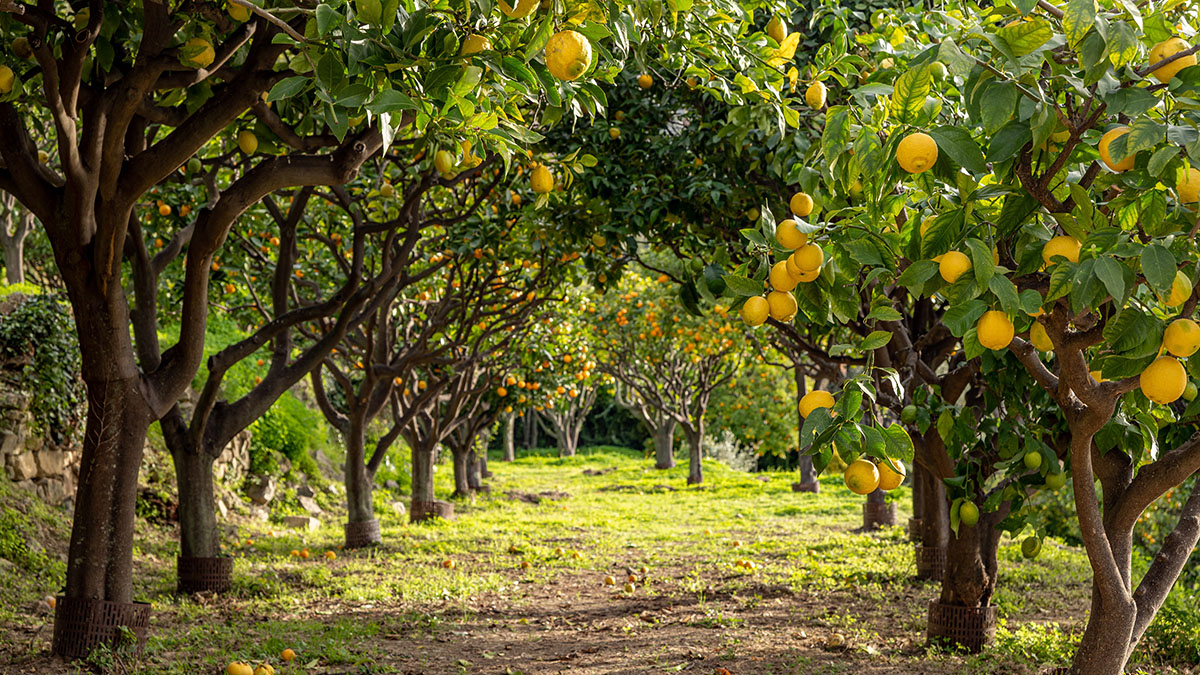
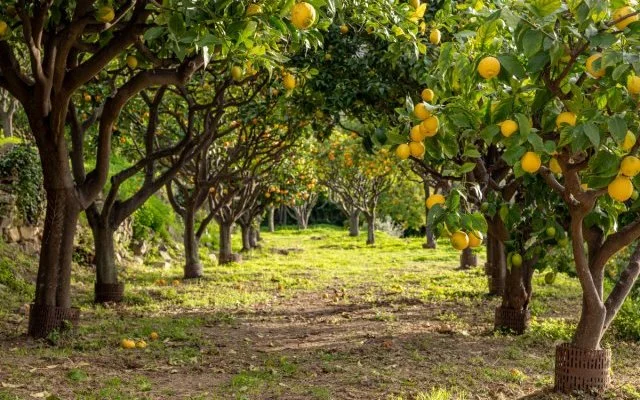
The orchards must also be located no more than 7 km from the sea as the crow flies, and no higher than 390 m, on dry-stone terraces known locally as restanques, in sandy, irrigable soil.
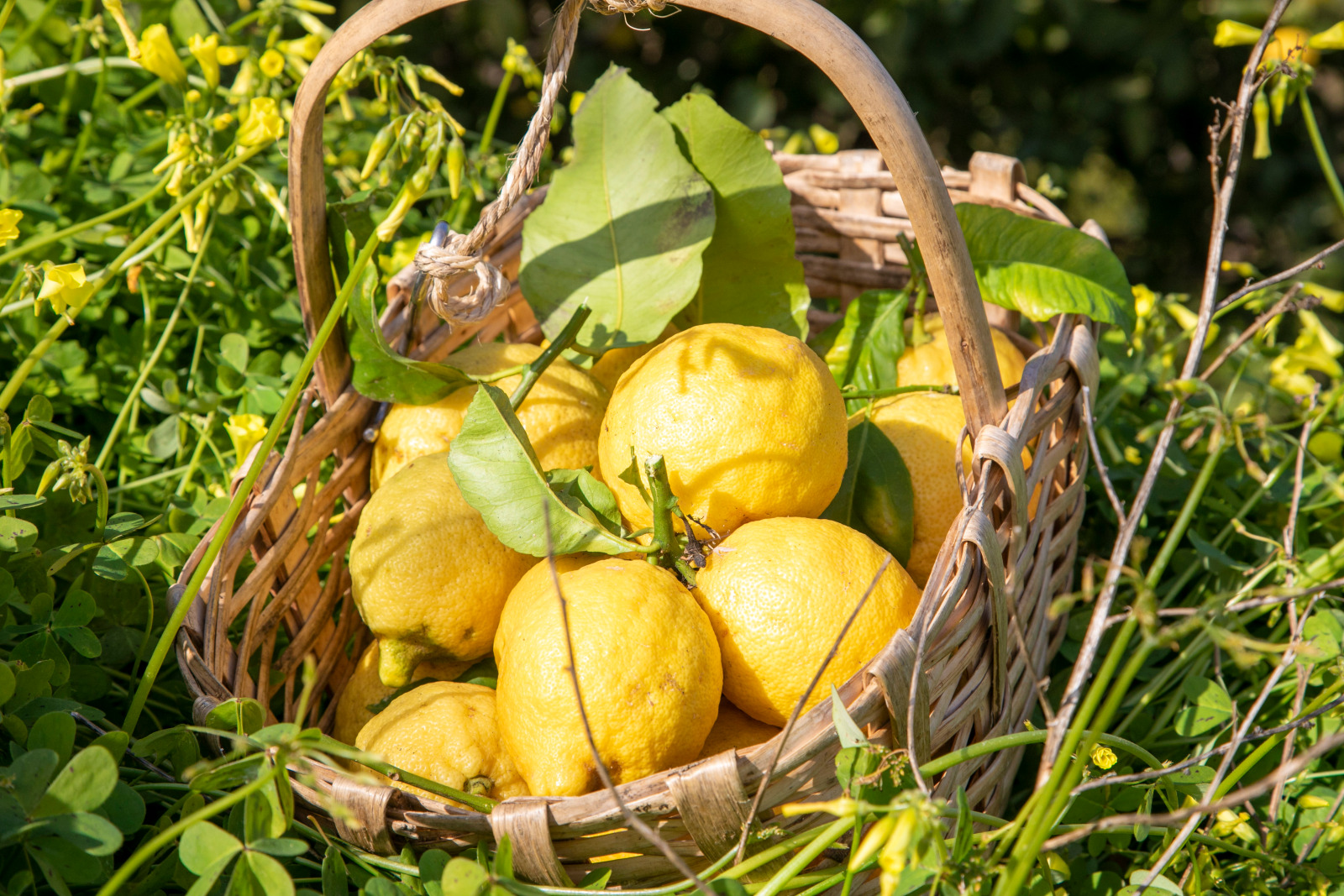
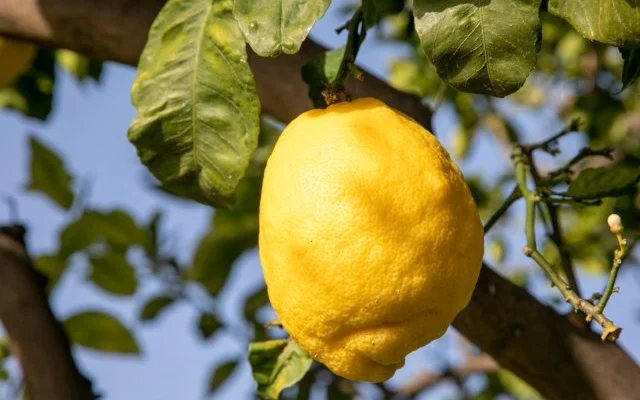
Bright, almost fluorescent yellowPale to greenish yellow early in the season and deep, luminous yellow when fully ripe, it turns almost fluorescent during the cool winter nights. Its colour always develops on the tree: it is never artificially "degreened".
No bitternessIts juice, at least 25% of the fruit’s weight, is highly fragrant, moderately acidic and free of bitterness. The specification sets a sugar-to-acid ratio of between 1.2 and 2.2.
A hint of lemongrassIts finely textured peel, which clings tightly to the segments, releases notes of fresh lemongrass when rolled between the fingers.
Edible peelPicked by hand, it receives no chemical treatment after harvest and is never waxed: the zest can be used without worry, and the fruit can even be eaten as it is.
The fruit measures 53 to 90 mm in diameter. Some lemons are sold with one or two leaves still attached (at least 30% of the fruit when this presentation is chosen): in Menton, the leaf is both a mark of recognition and a guarantee of freshness. According to the specification, a Menton lemon cut in half keeps for several weeks.
A unique terroir at the northern limit of citrus growing
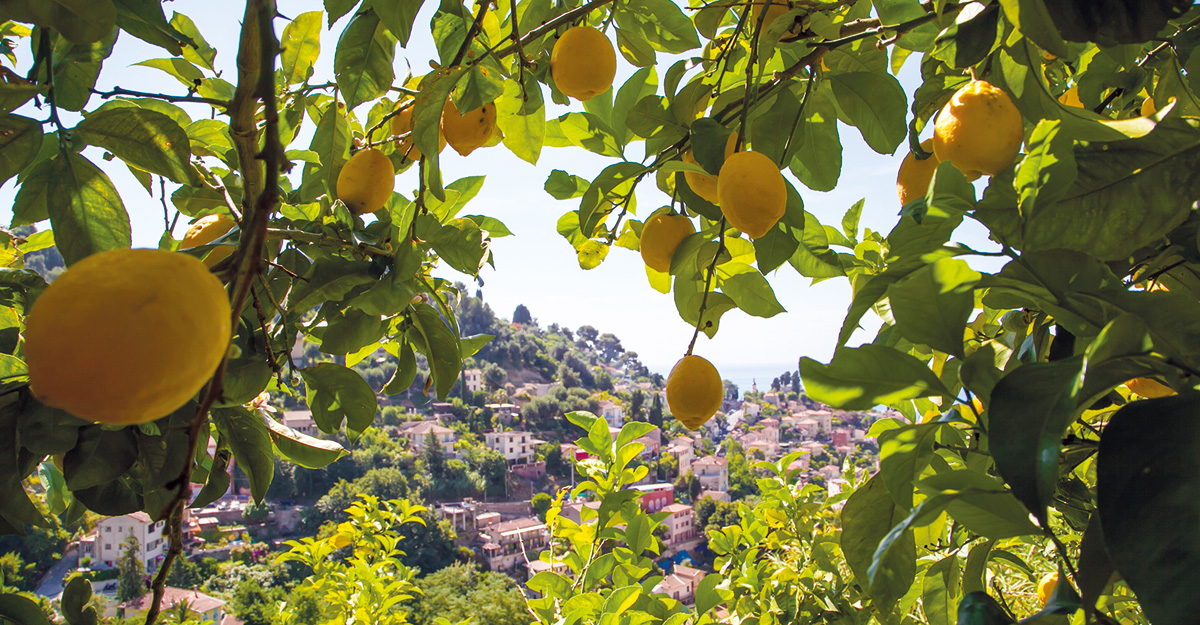
At 43.4° north, Menton lies at the northern limit of open-ground lemon growing. The specification describes it as the most northerly lemon-growing area in the world; in Italy, however, a few lemons grow even further north, in Monterosso or on the shores of Lake Garda, though in very small quantities.
A wall of mountains: Mont Agel, Mont Gramond, Mont Ours and other peaks over 1,000 m form an amphitheatre that blocks cold winds from the north, north-east and west. Only a sea breeze gets through, airing the trees.
A mild, steady climate: around 10 °C in winter, 16 °C in spring and autumn, 23 to 27 °C in summer, and some 2,800 hours of sunshine a year. Day and night temperatures are close, which gives the fruit its colour and long keeping quality.
Near-tropical humidity: summer humidity is around 75%, higher than in other Mediterranean lemon-growing regions. Summer haze softens the sunshine and limits sugar build-up, hence the tangy taste without bitterness.
An "ever-bearing" tree: the lemon tree flowers several times a year and often carries blossom, green fruit and ripe fruit at the same time.
Water from the mountain streams: the Fossan, Careï, Borrigo and Gorbio feed the groundwater used for summer irrigation.
Menton sandstone: between the sea and the limestone massifs, sandstone bedrock produces airy, sandy-clay soils with a pH of around 8.
The varieties
The specification allows five varieties of lemon tree (Citrus limon), grafted onto bitter orange or a rootstock approved by INRAE:
Adamo
Cerza
Eureka
Santa Teresa
"Menton" (SRA 625)
Historically, Menton growers mainly cultivated the local "Menton" variety. Highly susceptible to mal secco, a disease caused by the fungus Phoma tracheiphila that devastated the orchards from 1956 onwards, it has been joined by four more resistant varieties chosen for their resemblance to it. In the 19th century, growers already distinguished several types of fruit: thin-skinned, very juicy bignettes, thick-skinned sériesqués, and the rare, large and knobbly bullotins.
When are Menton lemons harvested?
Peak season: winter to springThe Menton lemon tree flowers several times a year, and the specification allows harvesting all year round, as the fruit ripens. Picking starts in December, steps up in January ahead of the Fête du Citron®, and continues into spring: the Coopérative de la Riviera Française sells its PGI lemons from January to May.
Menton’s old growers distinguished three harvests: prime fiou ("first flower"), from the May blossom, picked from October to February and most prized for export; segunde fiou, in March, more fragile; and verdame, in summer. In 1804, the historian Papon noted that the tree "bears 4 to 5 times a year".
From orchard to market: controlled know-how
In the orchardTrees at least 4 m apart, pruned every year between February and September; "water shoots", the branches that divert sap, are removed regularly. Fertiliser is organic and applied in stages (before flowering, as the fruit sets, and during autumn growth).
PickingBy hand, fruit by fruit, in several passes, once the colour is right. The lemons are placed in crates or boxes of 20 kg at most; sacks are forbidden to avoid overheating.
At the packing stationWithin 24 hours, each batch receives a number identifying the grower, the plot and the day of harvest. The fruit is sorted by hand in a single layer, graded (Extra and Class I for fresh sale, Class II for processing) and sized.
ShippingIn boxes under 8 kg or trays under 2 kg (Extra class only), in recyclable packaging, stored between 8 and 12 °C. The lemons leave no later than 7 days after picking.
The labelIt shows the name "Citron de Menton" in full and the European Union PGI logo, guaranteeing a fruit checked from tree to table.
Thanks to small orchards, careful pruning and rich biodiversity, plant-protection treatments are rare. The APCM has installed beehives in many orchards to encourage pollination and, in 2021, distributed 5,000 ladybird larvae to fight aphids (article in French).
1341Menton, which lived on cereals, vines and figs, steps up olive growing; the first oil mills appear, followed by the first citrus trees.
1471A notarial deed mentions land planted with "sixty-seven sitronarium trees": the oldest written record of lemon trees in Menton.
1495Two gold écus pay for two loads of "orange apples" sent to the Duke of Orléans by Jérôme Grimaldi: the first known export of Menton citrus.
1626Menton belongs to the Princes of Monaco and, thanks to the lemon, becomes the economic centre and main port of the Principality. Under Honoré II, the sale of lemons is regulated; its price is fixed in 1655. Seven years later, grazing livestock near lemon trees or picking their blossom costs a fine of one gold écu, and lemon trees begin to appear in notarial deeds.
1671Prince Louis I, grandson of Honoré II, creates the Magistrat des citrons (Lemon Magistracy): eighteen members appointed each year, including Adhémar de Lantagnac and Honoré de Monléon. They set prices, organise picking and sales, fight fraud (the lemon tax is a valuable source of income for the prince) and protect small growers against the big merchants.
1693In 1683, an ordinance regulates cultivation, sales and grazing, and creates the first Lemon Police to keep watch over mule drivers and boatmen. In 1693, the fruit is sized using iron rings, the spetzins. Only Menton and San Remo have such an institution at the time.
1701Prince Antoine I creates the Health Magistracy, responsible for the condition of exported fruit. Picking is divided into eight sectors, from the hills to the seafront, and the packing of lemons for export is regulated in 1733.
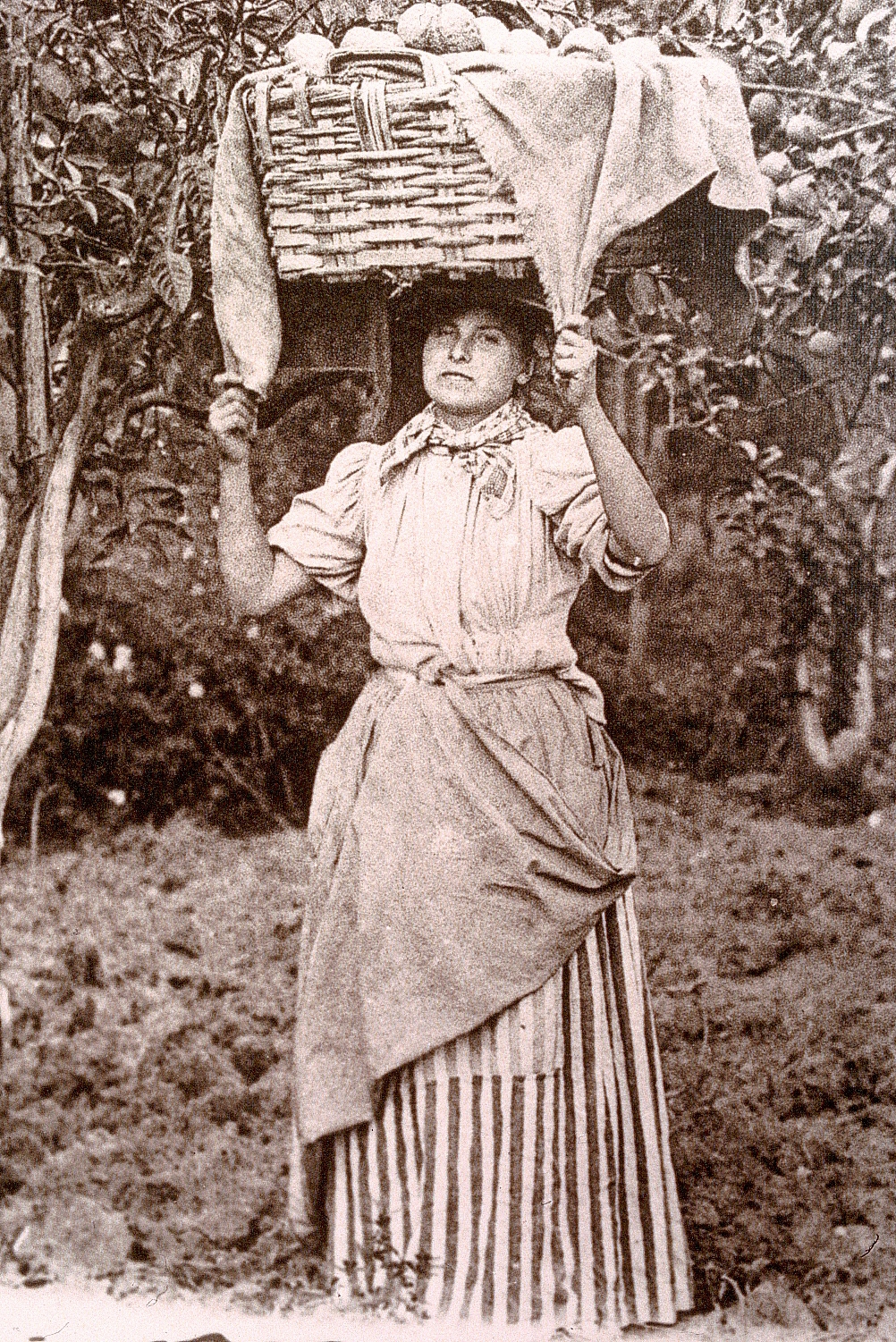
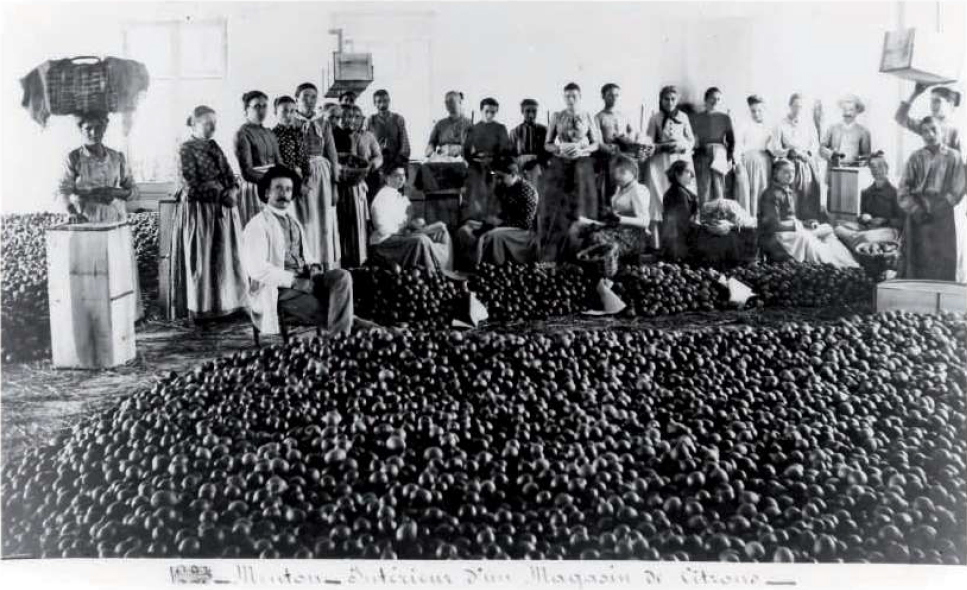
1740-1840The golden age. Around 1810, the town has some 80,000 lemon trees producing 12 to 16 million fruit a year. Counted one by one, sized, wrapped in tissue paper from Genoa, the lemons are shipped in beech crates: "lyonnaises" of 500 fruit for France, "flandrines" of 400 for Northern Europe, "messinoises" of 360 for America. Hamburg, Amsterdam, Danzig, Warsaw and Saint Petersburg all receive them.
1793The Lemon Magistracy is suspended, despite the people of Menton calling for its return. The town council creates a six-member Lemon Committee, which requires pickers to work barefoot so that hobnailed shoes do not damage the soil and the trees. In 1808, a Lemon Police is set up with officers appointed by the prefect; Charles-Antoine Villarey chairs the Committee.
1818Prince Honoré V reorganises the Lemon Police. The fruit is stored in municipal warehouses, counted one by one (not weighed), measured with the rings and graded into three qualities: "de mesure", "médiocre" and "de rebut". It is then wrapped in Genoese tissue paper, the only kind that preserves it, and packed in made-to-measure crates of beech, a supple wood that absorbs shocks.
1860The region still exports some 35 million lemons a year, to England, Germany, Russia and North America.
1861Menton becomes French; after this, no further lemon regulations appear in the town archives. Decline accelerates: two exceptional frosts, highly fragmented plots, no real commercial port, and customs treaties (1861 and 1866) that favour Italian and Spanish lemons. Tourism takes over: the health resort launched by Dr James Henry Bennett, the arrival of the railway and the "Côte d’Azur", named by Stéphen Liégeard in 1887, lead to farmland being sold for hotels and villas.
1934The golden fruit becomes the star of the Fête du Citron®. By 1950, Menton has only seven lemon merchants left.
1956After the First World War, which took a generation of farmers, a terrible frost and mal secco devastate the lemon trees. The rural exodus ends a way of farming developed over five centuries; the abandoned terraces become vulnerable to storms and wildfires.
1992Revival: the town gives financial support to citrus growers and protects farmland. Experimental orchards are set up with INRA, the French agricultural research institute.
2004The APCM is founded. Between 2004 and 2012, 3,000 lemon trees are planted or restored, bringing the total in the production area to 5,000.
2015The European Union recognises the "Citron de Menton" PGI. In April 2016, the town, itself a grower and a member of the APCM, sells the citrus from its gardens, grown without pesticides, to residents for the first time: 585 kg of lemons sell out in a few hours. They were picked by eighteen workers from Menton’s ESAT, a sheltered employment centre that serves as the packing station.
2026The Confrérie des Magistrats du Citron de Menton, a brotherhood sponsored by the APCM, revives the spirit of the 1671 Magistracy and holds its first Chapter in Menton on 27 September.
Menton: inside a lemon warehouse
Service des archives de la Ville de Menton
The lemon industry today
The APCM manages the PGI, brings together growers and processors, and works to protect biodiversity.
The Coopérative de la Riviera Française, formerly the Les Hespérides cooperative, is a community-interest cooperative bringing together growers, buyers, local authorities, residents and employees. Its packing station, approved by CERTIPAQ since February 2023, is the final link that grants the PGI label; it works with Menton’s ESAT.
The Town of Menton grows its own citrus in the garden of the Palais de Carnolès and in the Casetta orchard. Acquired in the late 1950s in the sheltered Garavan district, the Casetta has some 250 trees and around a hundred citrus varieties, including the five PGI varieties.
Production remains very small: around 100 tonnes in 2012, with a target of 200 tonnes. That is what makes the Menton lemon so precious.
In the kitchen: the chefs’ "caviar"
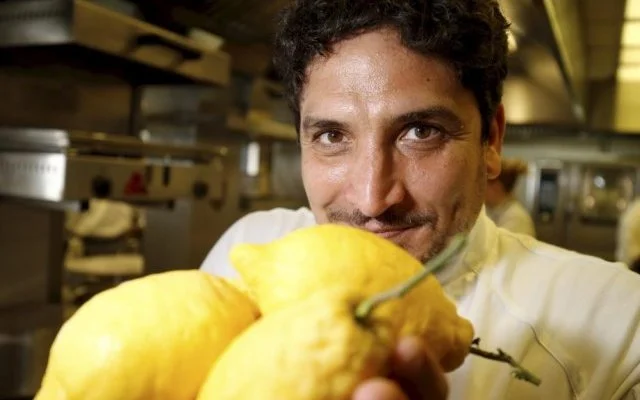
Its fragrance, bitterness-free juice and untreated zest have made it a favourite of top restaurants. The specification mentions chefs such as Alain Ducasse, Paul Bocuse, the Troisgros brothers, Alain Llorca and Mauro Colagreco; Joël Robuchon sums it up as "unique fragrance, delicately tangy flavour, very aromatic peel". In Menton, chef Mauro Colagreco picks lemons from the garden of his restaurant, Mirazur, named the world’s best restaurant in 2019: read our interview with the chef, in which he explains how he grows and cooks the Menton lemon.
The zest: grated over fish, risotto or pastries. No wax, so no need to scrub it.
The juice: mild and fragrant, it lifts a vinaigrette or a tartare without overpowering other flavours.
The whole fruit: preserved in salt or sugar, made into jam or liqueur, or used to flavour olive oil.
Like all lemons, it is rich in vitamin C: around 50 mg per 100 g of pulp.
Four simple Menton lemon recipes
Homemade limoncelloPeel the zest of 8 lemons, without the white pith, and steep it for a week in 1 litre of 90% fruit spirit. Add a cooled syrup (1 litre of water, 700 g of sugar), strain, bottle and wait another week. Serve well chilled.
Salt-preserved lemonsCut the lemons crosswise without separating the quarters, fill them with coarse salt, pack them tightly into a jar and cover with lemon juice. Wait four weeks: the preserved peel adds flavour to tagines, fish and salads.
Lemon tartWhisk 3 eggs, 150 g of sugar and the juice and zest of 3 lemons, thicken over a bain-marie, then stir in 100 g of butter. Pour into a blind-baked shortcrust case and leave to set in the fridge.
Quick carpaccioOver raw fish or thin slices of lemon, add a drizzle of olive oil, grated zest, a few drops of juice and a pinch of sea salt. With no bitterness, the Menton lemon masks nothing.
The lemon and the Fête du Citron®
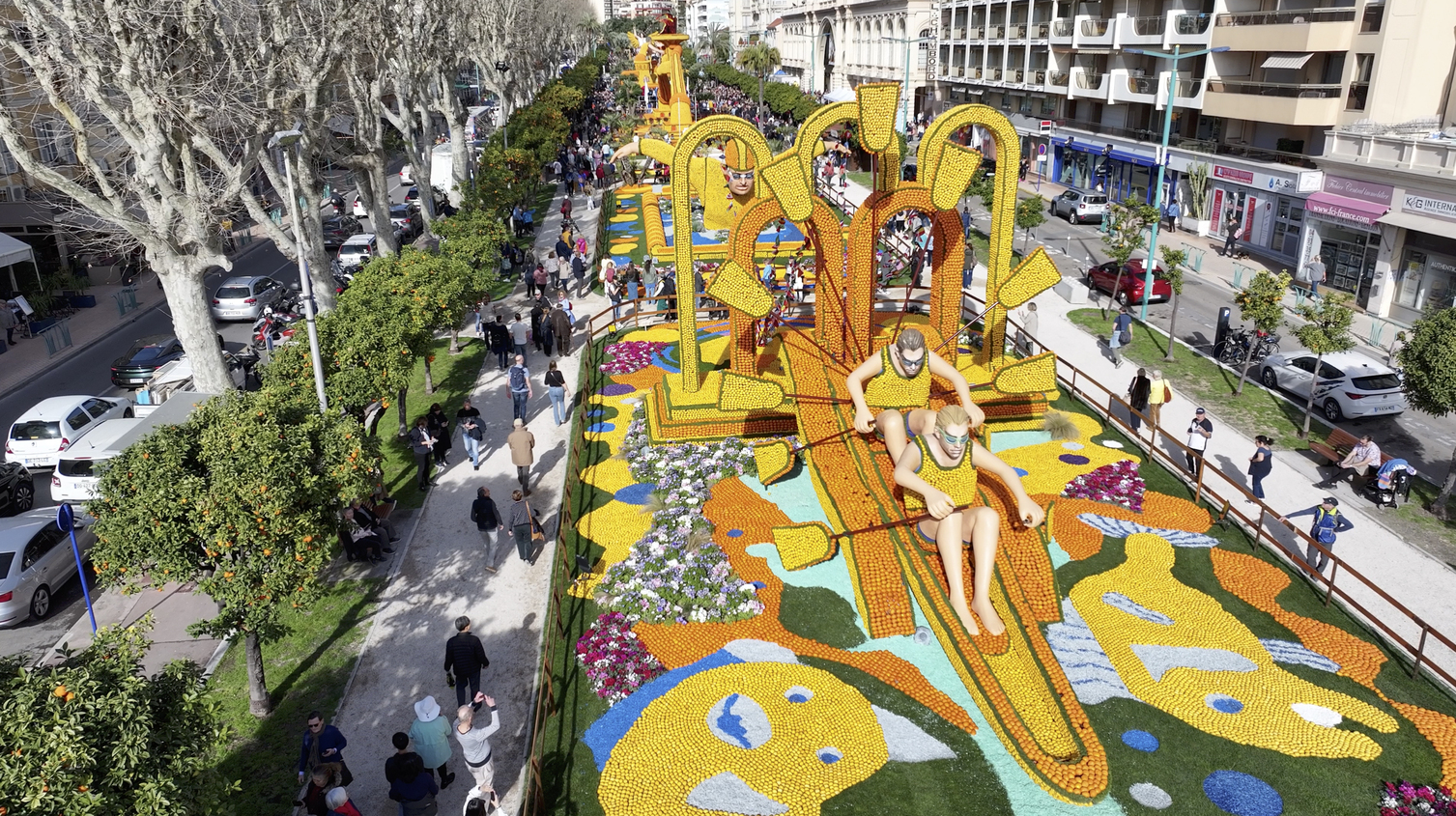
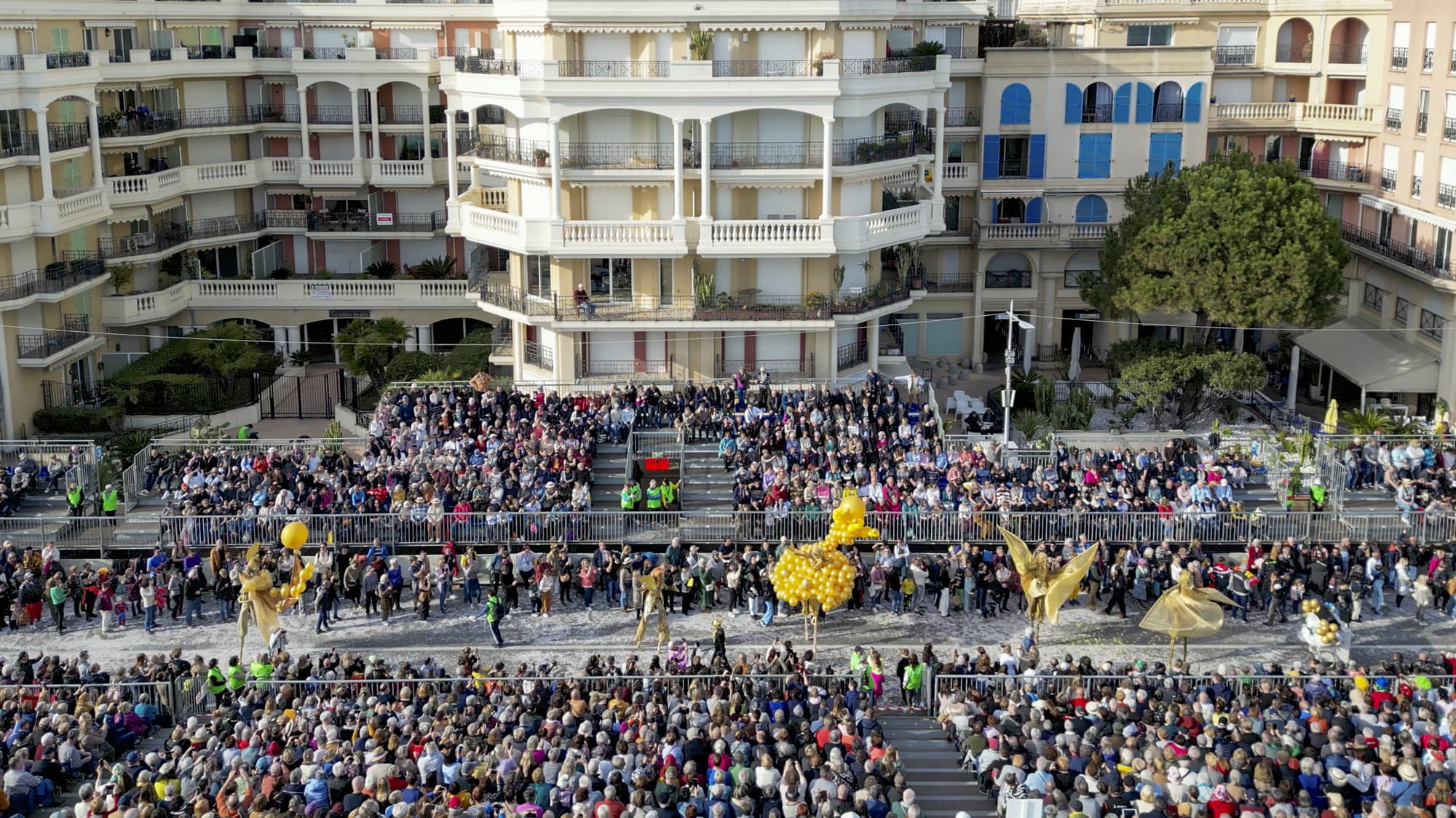
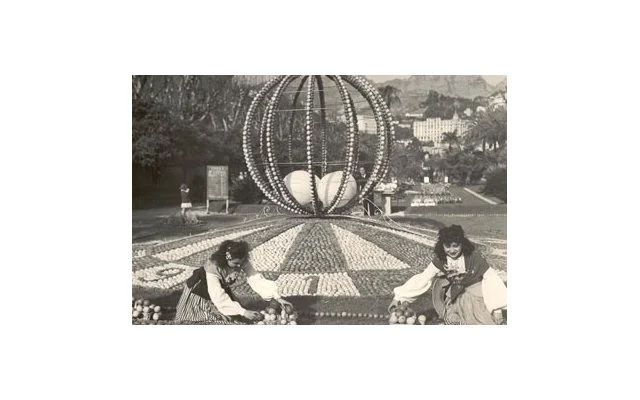
In 1929, Menton was still the leading lemon producer on the continent. A hotelier organised a flower and citrus show in the gardens of the Hôtel Riviera; the following year, carts of orange and lemon trees paraded through the streets. The Fête du Citron® was born in 1934, and from 1936 the citrus sculptures were displayed in the Biovès Gardens. It has become one of the most popular events on the Côte d’Azur.
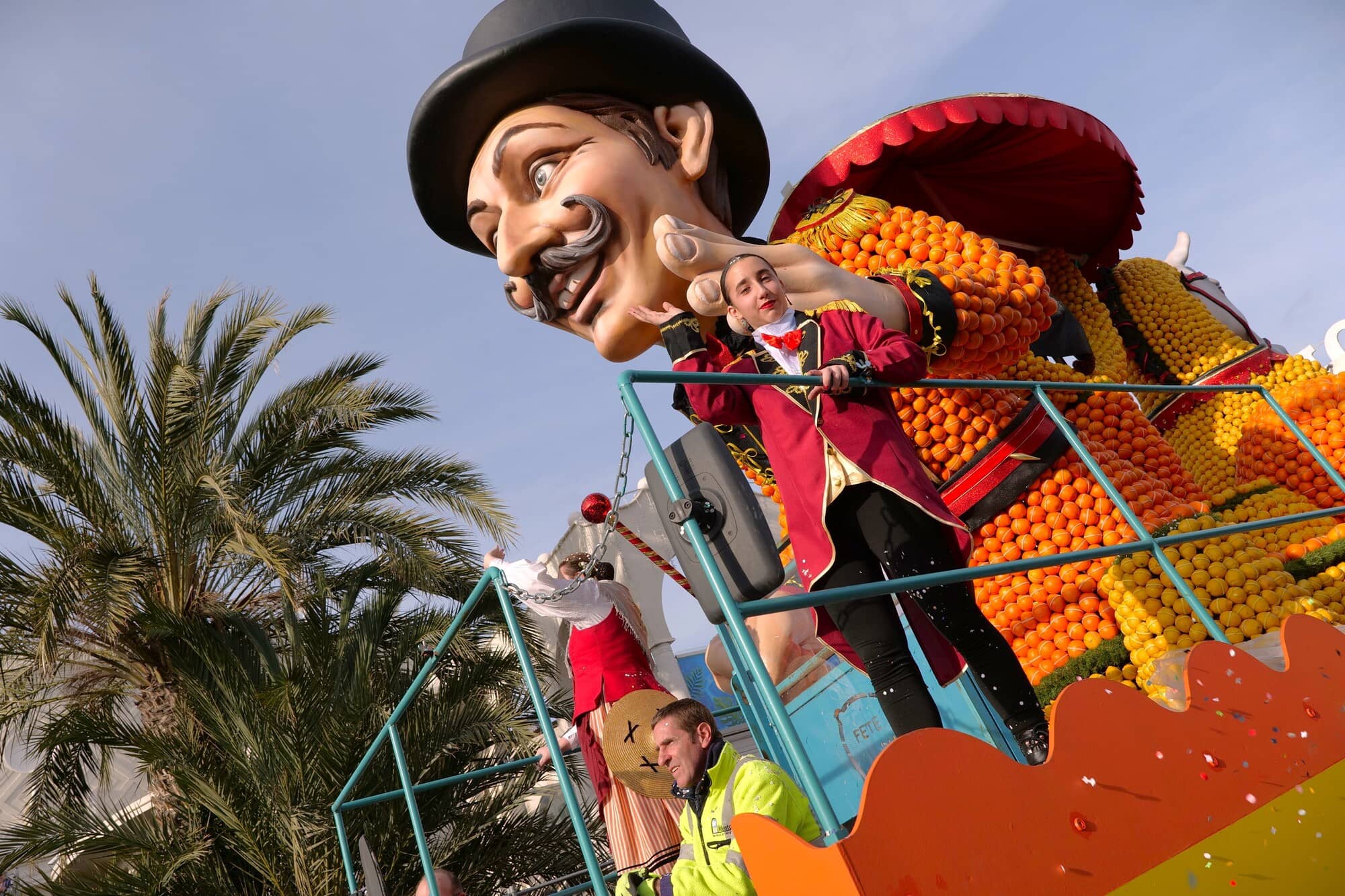
Do the Fête’s citrus fruits come from Menton?No, and that is deliberate. Menton’s entire production would not be enough to cover the floats and giant sculptures, and such a rare fruit belongs on the plates of food lovers. After the Fête, nothing goes to waste: the citrus fruits are removed from the sculptures, sorted, and the best are sold at the entrance to the Biovès Gardens, to end up as juice, liqueurs or jams.
Where to see and buy Menton lemons
During the Fête du Citron®In February, growers’ stalls offer Menton lemons and their specialities: jams, liqueurs, flavoured oils…
At the market and in local shopsAt Menton’s covered market (Les Halles) and in the town’s shops, during the season.
At the Palais de CarnolèsThe palace garden is home to a citrus collection approved by the French Conservatory of Specialised Plant Collections, with around a hundred varieties, including the local "citron du pays".
Visit an orchard: during the Fête du Citron®, growers open their orchards for tours and tastings. The programme is published each year in the Tours & activities section.
Harvesting is allowed all year round, by hand, as the fruit ripens. The peak season runs from December into spring; they are mostly available from January to May, and are at their brightest yellow in winter.
Since 2015: the European Union registered the "Citron de Menton" Protected Geographical Indication on 21 September 2015, after French approval in December 2014.
In five towns of the Alpes-Maritimes, Menton, Roquebrune-Cap-Martin, Gorbio, Sainte-Agnès and Castellar, in terraced orchards less than 7 km from the sea and no higher than 390 m.
The PGI allows five varieties: Adamo, Cerza, Eureka, Santa Teresa and the local "Menton" variety (SRA 625).
Its juice is highly fragrant, moderately acidic and free of bitterness, and its peel gives off notes of fresh lemongrass. It is gentler than most lemons, which explains its reputation among chefs.
Yes. It receives no chemical treatment after harvest and is never waxed, so its zest can be grated or candied without any special precautions.
Yes. Its juice is mild and free of bitterness, and its peel is neither waxed nor treated after harvest: you can eat it in slices, plain or with a little sugar, and use the whole fruit, zest included.
Lemons have been grown there since the 15th century. From the 17th to the 19th century, they were the town’s main source of wealth, regulated from 1671 by the Lemon Magistracy and exported by the million across Europe. Its sheltered climate makes it one of the most northerly places where lemon trees grow in open ground.
A council of eighteen members created in 1671 by Prince Louis I of Monaco to organise picking, set prices and protect small growers. The recently founded Confrérie des Magistrats du Citron de Menton keeps its spirit alive today.
At Menton’s covered market and local shops, at growers’ stalls during the Fête du Citron®, or from the Coopérative de la Riviera Française and APCM growers. Look for the name "Citron de Menton" and the European PGI logo.
Yes, especially during the Fête du Citron®, when growers offer orchard tours and tastings. The programme is published each year in the Tours & activities section of the Fête website.
No. The PGI Menton lemon is rare and its production would not be enough for the floats and giant sculptures; it is kept for fine dining. After the Fête, the citrus fruits are sorted and the best are sold outside the Biovès Gardens.
It is a fruit: a citrus fruit from the lemon tree (Citrus limon), a member of the Rutaceae family.


 The Menton lemon is a Protected Geographical Indication (PGI), registered under its French name, « Citron de Menton ». France approved its specification by decree on 2 December 2014, and the European Union registered it on 21 September 2015 (Implementing Regulation 2015/1756, published on 2 October 2015). Since then, the name has been protected throughout Europe: only fruit that meets the specification may bear it.





 FRANÇAIS
 ITALIANO
 ENGLISH